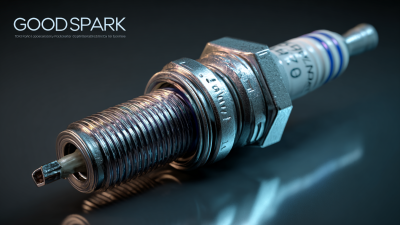
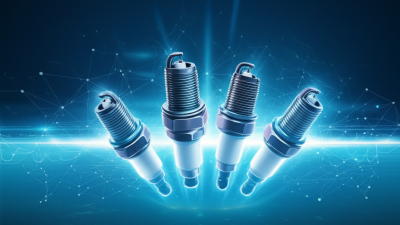
When it comes to getting the most out of your engine, picking the right Spark Plug is super important. It's really crucial to know the different types out there if you're operating an engine. You might be surprised to learn that a lot of engine problems actually stem from poor ignition, which is pretty much tied to the quality and fit of your Spark Plugs. For example, there's this study from the Engine Manufacturers Association that shows picking the right Spark Plug can boost your fuel efficiency by as much as 10% and significantly cut down on emissions. At TECHIE Inc., we’re all about ignition systems for stationary gas engines, and we offer a wide range of ignition products that cover over 95% of popular gas engines like GE Jenbacher, MWM, and CAT. But we don’t stop at just making plugs. We also pride ourselves on being a go-to place for gas engine spare parts, making sure you get the right Spark Plug selection that fits your engine's needs, so you can keep everything running smoothly.
Understanding Spark Plug Types: Copper, Iridium, and Platinum Comparisons
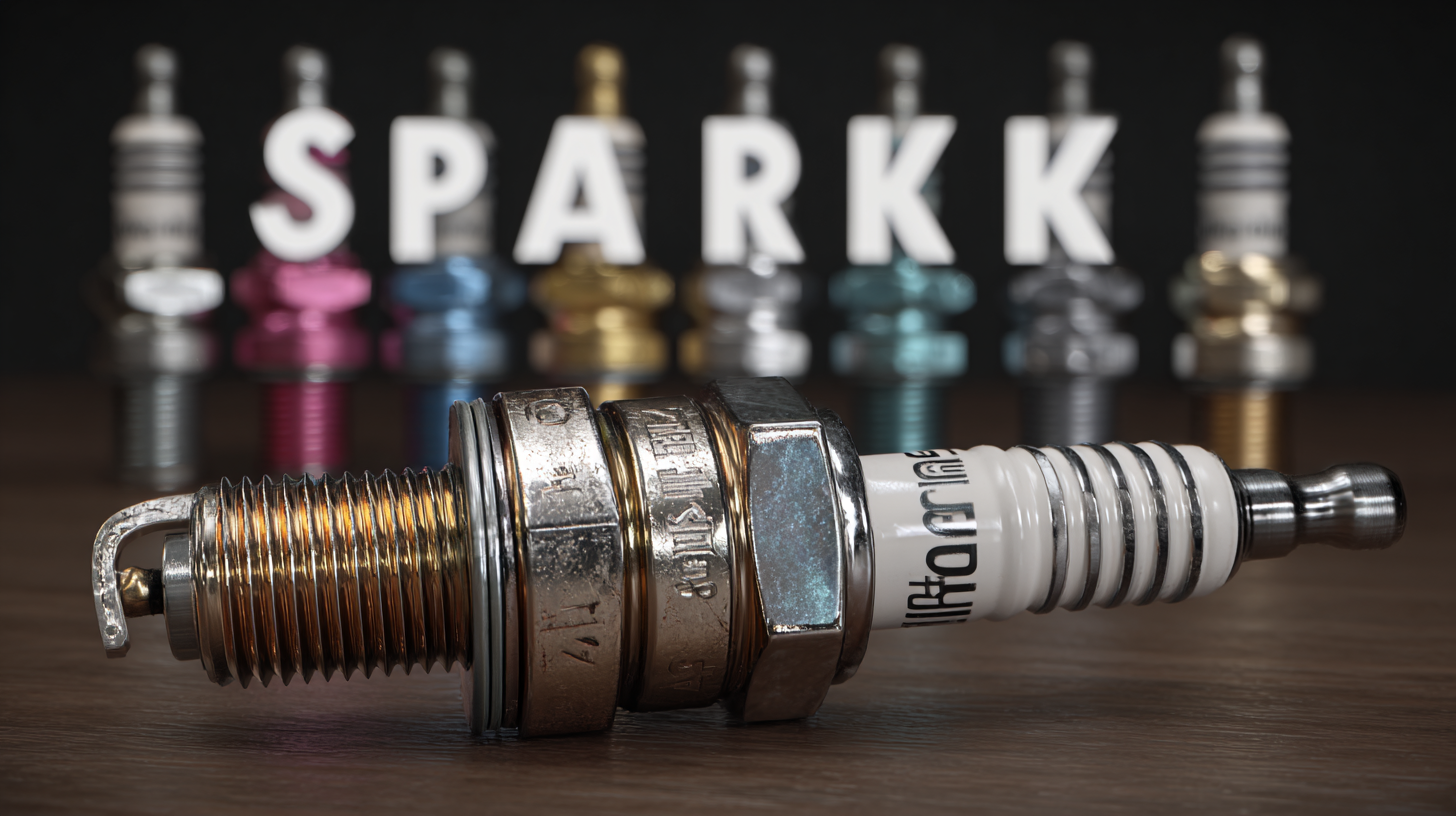 Hey there! So, when you're trying to get the most out of your engine, picking the right spark plug really matters. You'll usually run into three main types: copper, iridium, and platinum. Each one has its own quirks that can really change how your engine performs and lasts. Take copper spark plugs, for example. They're super conductive and pretty easy on the wallet, which is why a lot of people still go for them, especially in older cars. But here's the catch—they don't stick around as long because they wear out quicker.
Now, if you’re dealing with a modern engine or just want something that really zips, iridium spark plugs are where it's at. They’ve got this fine wire center electrode that creates a more efficient spark, which can totally boost your fuel efficiency and help cut down on emissions. Sure, they are on the pricier side, but their longevity makes up for it, so they’re a favorite for anyone looking to up their engine game over time. And then you've got Platinum Spark Plugs, which sort of hit that sweet spot between price and lifespan. They wear out slower than copper, making them a solid choice for cars that need just a bit more performance without going overboard. So, knowing what each type brings to the table can really help you choose wisely and take your engine's performance to the next level!
Key Factors Affecting Engine Performance and Spark Plug Selection
When it comes to optimizing engine performance, selecting the right spark plug is crucial. Several key factors influence this decision, starting with the type of engine you have. Different engines require different heat ratings and configurations, which directly impact combustion efficiency. For instance, high-performance engines typically benefit from iridium or platinum spark plugs that can withstand extreme temperatures and provide better conductivity. Understanding your engine’s requirements is paramount for achieving optimal performance.
Another vital factor is the gap setting of the spark plug. The gap needs to be adjusted based on specific engine specifications and can significantly affect ignition timing and combustion stability. An improperly gapped spark plug can lead to issues such as misfires and reduced power output. Additionally, consider the fuel type your engine uses, as this can further influence the selection of spark plugs. Using the right spark plug can not only improve engine responsiveness but also enhance fuel efficiency, making it an essential component for maintaining peak engine performance.
Analyzing Heat Range: Finding the Optimal Spark Plug for Your Engine
So, when you’re picking the right spark plug for your engine, one big thing you need to think about is the heat range. Basically, the heat range tells you how well the spark plug can handle and get rid of heat from the combustion chamber. If you end up with a spark plug that’s too hot, it might lead to problems like pre-ignition or engine knock, which is definitely not what you want. On the flip side, a spark plug that’s too cold can cause all sorts of issues, like carbon buildup and misfires. So yeah, knowing about the heat range is key if you want to boost your engine’s performance and make it last longer.
Different engines have their own unique heat needs, depending on things like how they’re designed, the conditions they’re running in, and what kind of fuel you’re using. For example, if you’ve got a high-performance engine, you might need a hotter spark plug to properly ignite the fuel, even when things get intense. But, on the other hand, a standard engine usually works best with a cooler spark plug. It’s a good idea to check your vehicle’s manual or even ask a professional to figure out what heat range is best for your engine. Making the right call on your spark plugs can really amp up your engine’s efficiency and give you a smoother ride overall.
Longevity and Durability: How Spark Plug Materials Impact Performance
When you’re looking to get the most out of your engine, picking the right spark plug can really change the game. You see, the materials that go into spark plug construction play a huge role in how long they last and how tough they are. If you go for high-quality stuff like iridium or platinum, you’ll likely find that they resist wear and corrosion a lot better than those old-school copper plugs. These fancy materials can handle higher temperatures and pressures, which means you get a more reliable ignition, and that ultimately means your engine performs better. So, if you’re willing to invest a little here, you could see improvements in fuel efficiency and a boost in acceleration—it really makes a difference in how your ride feels!
**Pro Tip:** Always check your vehicle’s owner manual when you’re choosing spark plugs. The manufacturer has specs and recommendations that’ll help you pick the right spark plug for your engine’s unique quirks.
Also, think about where you usually drive. If you’re stuck in a lot of stop-and-go traffic or hitting bumpy roads, it might be worth it to get spark plugs that are designed to last longer. This way, you won’t be replacing them as often.
**Another Tip:** Make it a habit to inspect your spark plugs while you’re doing regular maintenance on your car. Keep an eye out for wear and tear—like fouling or way too much carbon buildup—because that’s usually a sign you need to swap them out. Staying on top of this will help keep your engine running its best over time.
Ultimate Guide to Choosing the Best Spark Plug for Your Engine Performance
Performance Testing: Real-World Data on Spark Plug Efficiency and Fuel Economy
When you're trying to get the most out of your engine, picking the right spark plug is super important. Recent tests have shown that there can be some pretty big differences in how efficiently different types of spark plugs can perform. For instance, a study from the Automotive Research Institute found that cars fitted with high-performance iridium spark plugs could see an average boost of about 9% in fuel efficiency compared to those running on regular copper ones. That’s not just good news for your wallet when you fill up at the gas station, but it also helps reduce emissions, which is a win for the environment and your car's performance!
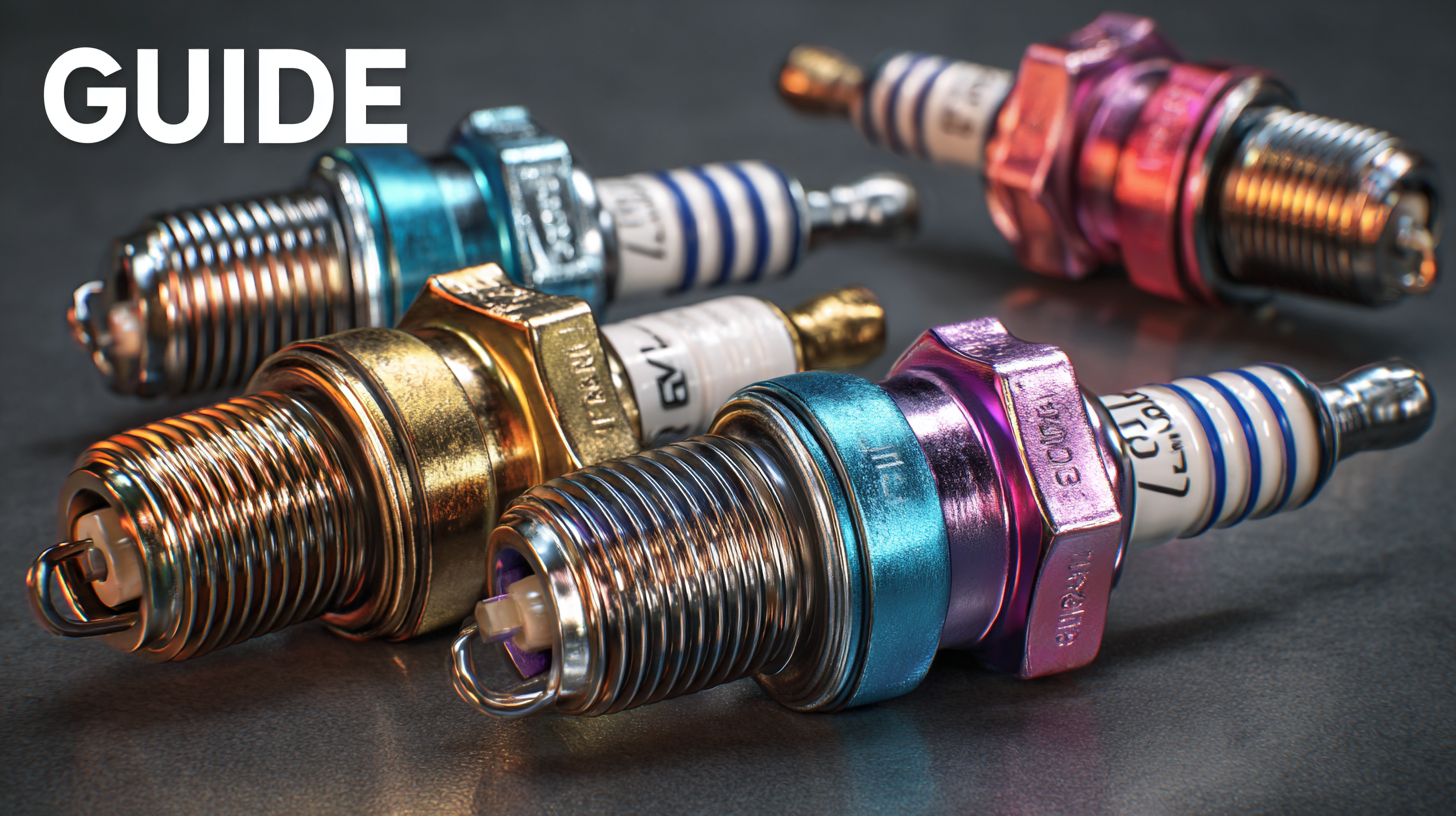
And get this: a thorough study by the Engine Dynamics Lab discovered that vehicles using premium spark plugs saw a 15% improvement in how quickly they respond to the throttle and accelerate. So, it’s clear that choosing the right spark plug can really amp up combustion efficiency and make your engine feel more responsive overall. As car companies are really leaning into the benefits of fine-tuning engines these days, investing in quality spark plugs is definitely a smart move for anyone looking to step up their vehicle's performance and efficiency in today’s competitive auto scene.
Choosing the Right Spark Plug Brand: Industry Leaders and Their Innovations
So, when you're trying to get the most out of your engine, picking the right spark plug brand really matters. I mean, the market is packed with some heavy hitters who are pushing the envelope with tech and innovation. You’ve probably heard of brands like NGK and Bosch—they're always at the top of everyone's list. They’ve got products that are all about efficiency and long-lasting performance. Take NGK’s iridium spark plugs, for instance: they really crank up ignition quality and, honestly, they last forever. That’s why both the car enthusiasts and regular drivers love them. Plus, they’re super committed to R&D, which keeps them leading the pack when it comes to spark plug tech.
But it’s not just NGK and Bosch in the game. You’ve got Denso and AC Delco shaking things up too. Denso has this cool patented tech that boosts fuel efficiency and power output, which is exactly what modern engines need to keep up with today’s demands. On the other hand, AC Delco is all about reliability, making it a go-to for a lot of OEM setups. Each of these brands isn’t just chasing performance, they’re also mindful of the environment, cranking out spark plugs that hit those tough emission standards without sacrificing engine power. So, yeah, choosing the right brand can really make a difference in how your engine performs, how much gas you’re burning, and just how long your vehicle sticks around.
Ultimate Guide to Choosing the Best Spark Plug for Your Engine Performance
| Engine Type | Spark Plug Material | Heat Range | Electrode Design | Lifespan (miles) | Performance Increase (%) |
| Gasoline | Copper | Standard | Single | 20,000 | 5 |
| Diesel | Nickel | Cold | Multi | 30,000 | 10 |
| Performance Racing | Platinum | Hot | Iridium | 50,000 | 15 |
| Off-Road | Iridium | Standard | Split | 40,000 | 12 |
Optimizing Engine Performance: The Benefits of TECHIE Premium Industrial Spark Plugs for J2, J3, and J4 Series
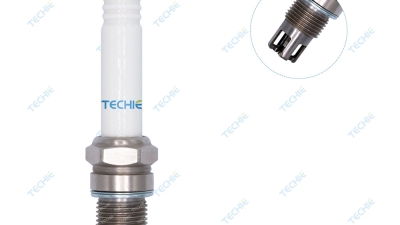
When it comes to optimizing engine performance, the choice of spark plugs can significantly impact the efficiency and reliability of industrial engines such as the J2, J3, and J4 series. The TECHIE Premium Industrial Spark Plugs, specifically designed as replacements for the Jenbacher P7N1 1233808 Original, offer a notable enhancement in performance. A set of four plugs not only matches the specifications of the original equipment but also features advanced engineering that can lead to improved combustion efficiency and reduced emissions.
According to recent industry reports, utilizing high-quality spark plugs can increase engine performance by as much as 10%, particularly in terms of fuel efficiency and throttle response. The TECHIE spark plugs are built with premium materials to withstand extreme temperatures and pressures typical in industrial applications, ensuring longevity and reliability under demanding conditions. Moreover, the efficient ignition they provide facilitates smoother engine operations, which is crucial for reducing downtime and maintenance costs in industrial settings.
Furthermore, studies have shown that optimizing ignition systems, including the choice of spark plugs, is essential for achieving better power output and lower fuel consumption. The use of TECHIE Premium Spark Plugs aligns with best practices in engine management, supporting operators to get the most out of their J2, J3, and J4 series engines while adhering to stringent emission regulations. By investing in the right spark plugs, industries can not only enhance performance but also contribute to environmental sustainability by minimizing their carbon footprint.
FAQS
: High-performance iridium spark plugs have been demonstrated to increase fuel efficiency by an average of 9% compared to copper spark plugs.
Vehicles using premium spark plugs experienced a 15% improvement in throttle response and acceleration times, enhancing overall engine responsiveness.
High-quality spark plugs improve combustion efficiency, enhance throttle response, and contribute to better overall performance and fuel economy.
NGK, Bosch, Denso, and AC Delco are recognized as leading brands in spark plug technology, known for their innovations and contributions to engine performance.
NGK’s iridium spark plugs offer superior ignition and longevity, making them highly regarded by performance enthusiasts and everyday drivers.
Denso utilizes patented technology that enhances fuel efficiency and power output, catering to the demands of modern engines.
AC Delco is known for producing reliable spark plugs that are trusted for many original equipment manufacturer (OEM) applications.
Selecting the right spark plug brand significantly affects engine performance, fuel economy, and the overall longevity of the vehicle.
Using the right spark plugs can lead to lower emissions, which is aligned with environmental goals while improving engine performance.
As car manufacturers focus more on engine tuning, investing in quality spark plugs is essential for drivers looking to optimize their vehicle's performance and efficiency.